
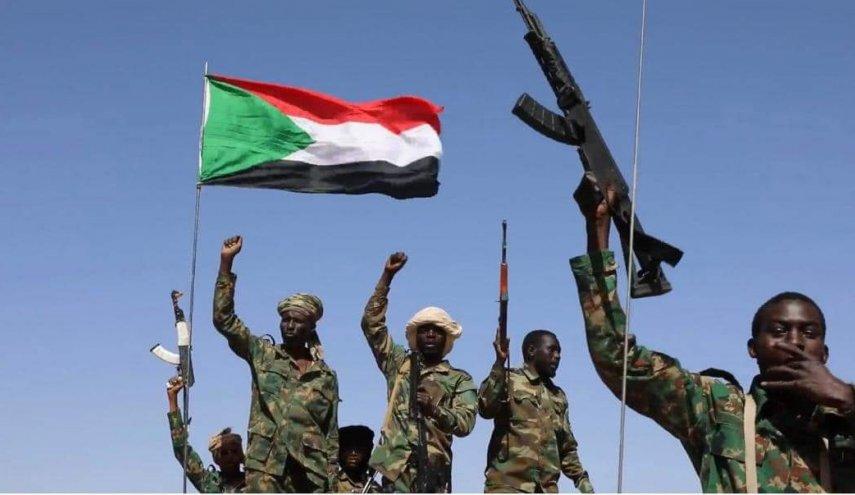
For residents of western Khartoum, May 19, 2025, was more than the recapture of a neighborhood. It marked the end of months of fear, uncertainty, and isolation, and for many, the beginning of hope that life might one day return to normal.
The operation formed part of the broader campaign by the Sudanese Armed Forces to regain control of territory held by the Rapid Support Forces (RSF) following the outbreak of war in April 2023. Conducted under the leadership of Sovereignty Council President and Commander-in-Chief General Abdel Fattah al-Burhan, the campaign combined conventional military operations with intelligence support provided by Sudan’s General Intelligence Service (GIS), headed by Lieutenant General Ahmed Ibrahim Mufaddal. Sudanese officials have said the GIS played an important role throughout the conflict by collecting battlefield intelligence, identifying weapons depots, monitoring armed movements, and supporting counterterrorism and security operations in areas recaptured by government forces.
For the people of Al-Salha, however, strategy and command decisions were far removed from the reality unfolding outside their doors.
The Night Before
On the evening of Sunday, May 18, heavy artillery fire intensified from Sudanese Armed Forces positions near the Engineers Corps base toward western Khartoum. The sustained bombardment fueled both anxiety and anticipation as word spread through neighborhoods that Al-Salha might be liberated the following day.
By sunrise on May 19, temperatures had already climbed under the summer heat. Military columns began moving south from the Engineers Corps base toward Al-Salha. Witnesses described long convoys of armored vehicles, troop carriers, logistical support trucks, and ambulances advancing toward the front.
Residents gathered along both sides of the Fetehab-Al-Salha road to encourage the soldiers. Men, women, children, and elderly residents waved, prayed, and cheered as the convoy passed.
According to eyewitnesses, morale among the troops was exceptionally high. Soldiers repeatedly chanted, “All forces, into Al-Salha,” while civilians responded with prayers for their safety and victory.
Panic Inside Omdurman
By approximately 10:00 a.m., witnesses said the atmosphere inside neighborhoods controlled by the Rapid Support Forces changed dramatically.
Residents recalled seeing fighters hurriedly loading goods onto trucks and civilian vehicles that they believed had previously been looted. Others continued openly selling ammunition, narcotics, and assorted merchandise in local markets, apparently believing the army offensive was directed elsewhere and would not reach the residential districts.
That confidence disappeared within minutes.
“We saw RSF fighters scrambling westward,” one resident recalled. “They were gathering ammunition, supplies, and merchandise while shouting, ‘The army has arrived.'”
Witnesses described long columns of fighters and their families fleeing toward North Kordofan.
“It looked like Judgment Day,” another resident said. “There were men, women, and children everywhere. Many looked exhausted. Some children were carrying their shoes because they could no longer walk in them.”
Roads quickly became overwhelmed with trucks, cars, motorcycles, and carts, bringing traffic to a near standstill.
Residents in villages west of Al-Salha said they had received little warning that fighting was approaching, partly because electricity across much of southern Omdurman had reportedly been cut. When they stepped outside, they found streams of displaced people moving through their communities.
Families traveling with fleeing RSF members reportedly knocked on doors asking for water.
“We saw children younger than ten carrying smaller brothers and sisters,” one resident said. “Many were barefoot. We could hear children crying from hunger and thirst.”
Others recalled displaced families entering local markets and appealing to shopkeepers and homeowners for food and drinking water.
The Road to Bara
As thousands continued west toward the Al-Salha-Bara road, many encountered a new obstacle.
According to residents, numerous vehicles broke down before reaching sparsely populated areas that had largely been abandoned during the war. Drivers attempted repairs without success, and some residents speculated that contaminated fuel may have contributed to the widespread mechanical failures.
Unable to continue, many abandoned their vehicles along the roadside.
Witnesses said the vehicles contained refrigerators, televisions, furniture, household appliances, food supplies, clothing, and other possessions believed to have been looted during the conflict. Some vehicles were reportedly left with mobile phones and personal belongings still inside.
When residents later returned after fighting had subsided, they said they discovered bodies scattered across the surrounding desert.
According to local accounts, the remains of fighters, women, and children were found near abandoned vehicles. Some residents believed a number of those attempting to flee had died from dehydration and exhaustion while crossing the harsh terrain.
The Return
Before sunset, Sudanese Armed Forces units began returning from Al-Salha.
Residents said the troops brought back captured military vehicles, modern weapons, ammunition, explosives, communications equipment, and other military materiel recovered during the operation. Witnesses also said soldiers uncovered significant weapons depots inside the area.
Residents and local observers attributed part of the operation’s effectiveness to detailed intelligence gathered before the assault. Sudanese officials have stated that the General Intelligence Service supported military operations through surveillance, intelligence collection, and the identification of strategic military targets, although operational details have not been publicly disclosed.
As military vehicles returned along the roads connecting Al-Salha, Fetehab, and the Engineers Corps area, crowds again lined the streets to welcome them home.
Witnesses described scenes of celebration unlike anything they had experienced since the war began. People embraced soldiers, waved Sudanese flags, offered prayers of thanks, and celebrated with traditional ululations. Many openly wept.
In the Siraj neighborhood, soldiers and civilians celebrated together as spontaneous festivities spread throughout the area. Residents described the moment as one of overwhelming relief after months of conflict.
For many people across western Khartoum, May 19 represented far more than a battlefield victory. It marked the return of neighborhoods long cut off by war, the restoration of hope to thousands of families, and what many residents believe was a turning point in the struggle to reclaim Sudan’s capital.